A Traveller’s Wellness Lens on Yoga, Recovery, and Slow Exploration in Singapore
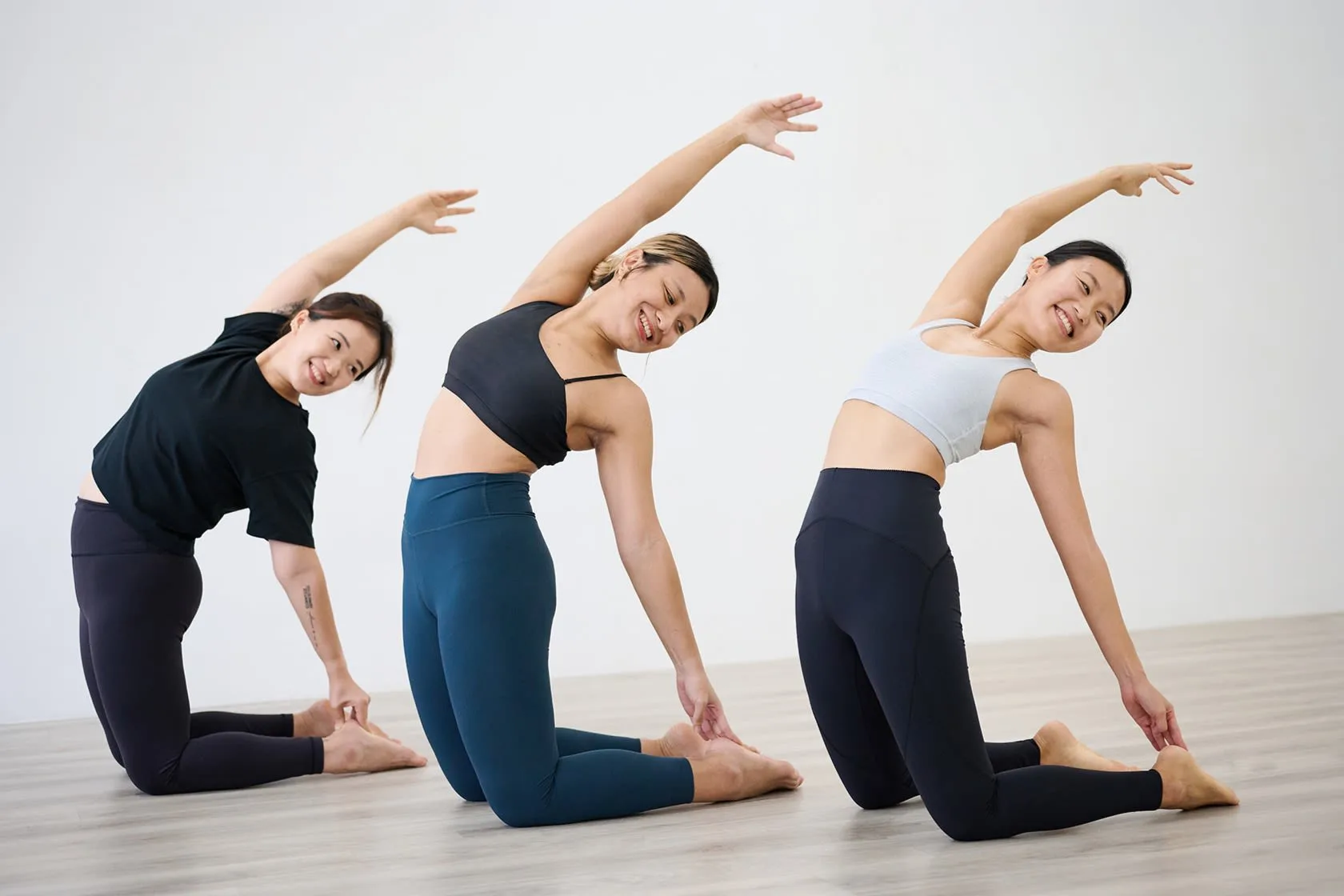
Singapore is often experienced through food, skyline views, heritage districts, shopping streets and carefully planned attractions. Yet travellers who approach the city through wellness may discover a different rhythm. Including yoga Singapore in a travel plan can help visitors slow down, recover from movement-heavy days and experience the city with more presence. Slow exploration does not mean doing very little. It means moving through the city in a way that protects energy and allows the traveller to absorb each experience. Yoga supports this by giving the body time to reset and the mind space to settle between activities.
Why fast travel can feel exhausting
Many visitors try to maximise every hour in Singapore. The city is efficient, so it is easy to plan a full schedule from morning to night. However, packed travel can create hidden fatigue. Walking, standing, commuting, eating out and navigating new places all place demands on the body. The mind also works harder during travel. It processes directions, conversations, bookings, weather, schedules and new surroundings. Even enjoyable trips can become tiring if there is no recovery built in. Yoga offers a practical pause. It gives travellers a familiar structure of movement and breath, even in an unfamiliar city.
Recovery as part of the itinerary
Many travellers plan attractions and meals carefully, but they do not plan recovery. Recovery is often left to whatever time remains at the end of the day. By then, the body may already feel stiff and overstimulated. Adding yoga to the itinerary changes this. A class can be scheduled after arrival, before a busy day or between sightseeing and dinner. It becomes a deliberate part of the trip, not a last-minute attempt to feel better.
How yoga supports slow exploration
Slow exploration is about quality of attention. Travellers who rush from place to place may see more, but remember less. Yoga helps by training presence. A class asks students to notice breathing, posture and sensation. This attention can carry into the rest of the day. After practice, a traveller may walk more slowly, eat more mindfully and notice details that would otherwise be missed. This can make the city feel richer and less overwhelming.
Ways yoga can improve a Singapore travel day
A well-timed class can help travellers:
- Release stiffness after flights
- Feel more grounded before sightseeing
- Recover after long walks
- Improve sleep quality during the trip
- Balance rich dining with mindful movement
- Create a calm break between busy plans
These benefits support both comfort and enjoyment.
Travel stiffness and movement needs
Flights, hotel beds and long walking days can create stiffness in the hips, back, calves and shoulders. A yoga class can guide the body through movements that address these areas safely. For travellers, guided movement is useful because they may not know what the body needs after a packed day. A teacher-led class removes guesswork. The sequence creates a balanced experience that includes warm-up, movement, breath and rest.
Business travellers and recovery gaps
Singapore is also a major business destination. Business travellers may spend hours in meetings, presentations and networking events. Their trips can be mentally demanding even if they do less sightseeing. Yoga can help business travellers transition from work mode to personal recovery. A class after meetings may release tension and create a clearer boundary before dinner or rest. This can make business travel feel less draining.
Food culture and body awareness
Food is an essential part of Singapore travel. A wellness lens does not require avoiding local dining. Instead, yoga can help travellers enjoy food with more awareness. Movement and breath can make people more attentive to hunger, fullness and energy. Travellers can still enjoy rich meals, but they may plan them with better timing. For example, a lighter meal before class or a walk after dinner can support comfort. Wellness travel is not about restriction. It is about balance.
Choosing the right practice during travel
The best yoga class for a traveller depends on the body’s condition. After a flight, a slower mobility-based class may be better. Before a full day out, an energising class may be useful. After intense walking, restorative movement may feel best. Travellers should avoid treating yoga as another item to conquer. The purpose is to support the trip. A good class should leave them feeling more comfortable, not depleted.
A meaningful studio stop
A studio such as Yoga Edition can give travellers a polished and focused space to reset during their Singapore stay. It allows visitors to include wellness in the itinerary without needing a full retreat or complicated plan. This kind of experience also helps travellers see Singapore as a lived city, not only a tourist destination. They engage with a routine that locals may use to manage urban life and wellbeing.
Seeing Singapore with more presence
A traveller’s wellness lens changes the way a city is experienced. Instead of rushing through attractions, the traveller makes room for recovery, movement and attention. Yoga supports this by calming the nervous system and reconnecting the person with the body. Singapore has enough energy to fill every moment, but the most rewarding trips often include pauses. With yoga as part of the itinerary, visitors can explore the city more slowly, enjoy it more deeply and leave feeling restored rather than exhausted.