One of the Terrific and Risky Treks Through Annapurna Base Camp
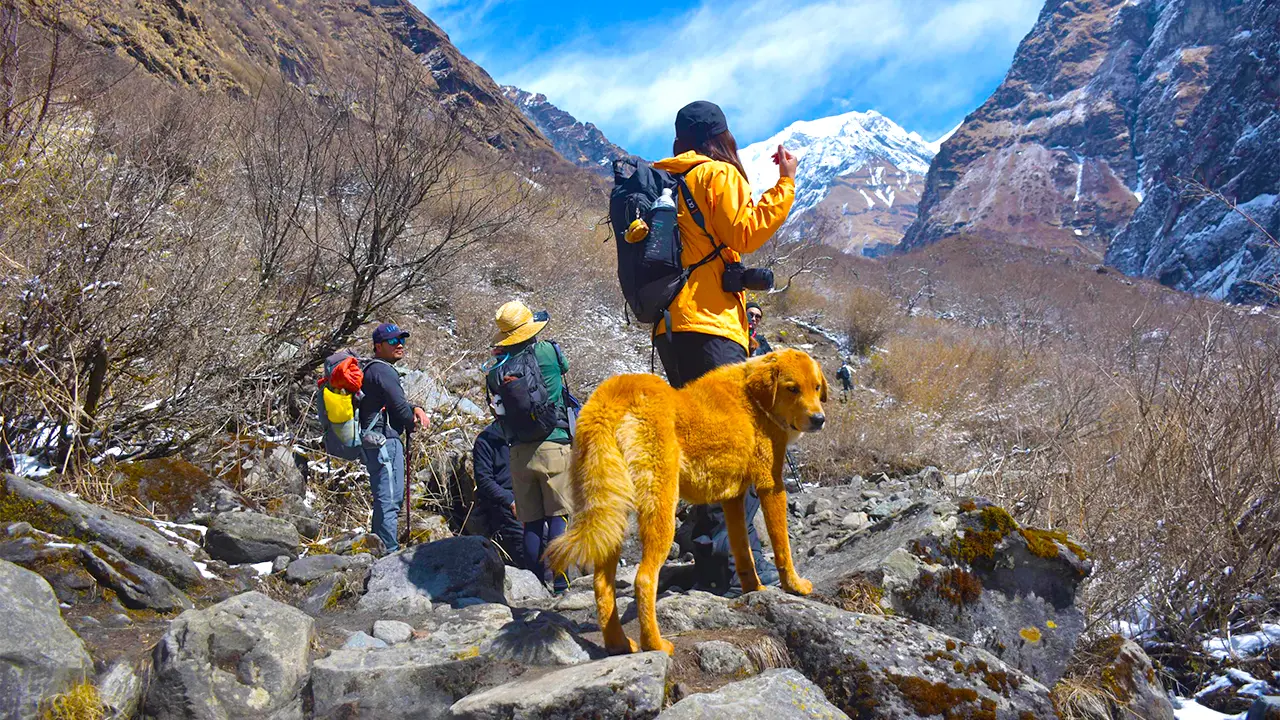
Annapurna Base Camp Trek isn’t merely a cross-section of landscapes — it’s an immersion in the extremes. It’s a journey that humbles and uplifts, full of scenes of silent awe and sudden challenge. When people consider a Himalayan adventure, this one comes to mind — not only for its beauty, but for what it offers in the way of gorgeousness and risk. It’s one of the most amazing and dangerous treks you can do in the Annapurna region, and every single step into the unknown is unforgettable.
From the start, the hike signals that it’s not here to be a walk in the park. The trails snake through isolated villages, thick forests, frozen rivers, and precipices that veer into narrow paths. The weather is anything but predictable; bluebird mornings might transform into cloudy, snow-dusted afternoons. The elevations get steadily higher, and so does the thinner air, increasingly tentative steps, and the lurking danger of altitude sickness. But for those who stick with it, the danger is part of the appeal. You’re always dealing with the external and also your physical limits.
The danger notwithstanding, it’s the enormous variety that makes this trek truly terrific. Few hikes in the world allow you to begin in a lush, subtropical green moment, before heading up to a place where peaks rise like snow-covered skyscrapers, Anchorage and Machapuchare pushing through the clouds. With each day, a new landscape is revealed, a new feeling, a greater silence. Rustic teahouses at each small settlement greet you at the end of long, cold days with casual meals, warm bedding, and the companionship of other trekkers with their tales of grit and gratitude. It’s those periods of rest that are usually where the journey is the most powerful.
The Annapurna Base Camp Trek Cost is about accepting beauty with danger. It’s a lesson in the way the most gorgeous rewards can arrive amid struggle and unpreparedness. The last leg to base camp is a tough final ascent — your legs ache, your breath is short, and your mind is fighting fatigue. But when you stand there, staring into a circle of Himalayan giants with prayer flags streaming in the wind, the gamble you took becomes victorious. No photo or video will communicate the emotion of that moment — only your memory.
To say it was one of the great and dangerous treks to Annapurna Base Camp isn’t hyperbole; it’s a statement written in stone by every climber who has tread upon those paths and faced its trials. Whether you are an experienced trekker, interested in getting out of your comfort zone, or someone who is yearning to find themselves, when your body aches, your perspective changes, and your appreciation for the world deepens. It’s a matter not merely of arriving somewhere but of surviving the journey. This mountain is more than a test; it’s a transformation. And that is what makes this journey great.
Discover the Adventure and Dangers of the Annapurna Base Camp Trek
Annapurna Base Camp trek Annapurna Base Camp (ABC) trek is one of the most challenging high-altitude treks conducted in the lap of the Himalayas. While hiking through fertile forest, terraced fields, and strenuous trails, travelers are constantly rewarded with postcard views of snow-capped peaks such as Annapurna I, Machapuchare, and Hiunchuli. It is simply impossible to learn the landscape, and that makes every step full of surprises. But just below that beauty is an exciting layer of danger. ABC is no walk in the park – it requires physical fitness, endurance, as well as an understanding and appreciation of nature’s variability. Altitude sickness is a danger as hikers climb beyond 4,000 meters, and the roads are steep and narrow, which can be particularly treacherous after rains or snowfall. Sudden inclement weather can disrupt schedules and make trails treacherous. The excitement of the hike is wrestling with these unknowns — it’s knowing that each morning you’re not only facing new terrain, but negotiating possible hazards. But that’s why we like it so much. It’s not a stroll in the mountains; it’s an odyssey of purpose, self-discovery, and overcoming obstacles. Whether you are trampling stoney ascents or being woken up by a freezing dawn, the challenge of the Annapurna Base Camp track pushes you to the limit, and rewards you in a way no other does – stand at the base roots of the great, shimmering Himalayas, and feel you’ve earned the right to be there. It’s a potent experience — glorious in its beauty and dangerous in its demands — that imprints itself on every sojourner daring enough to accept the challenge.
Knowledge of the Difficult Terrain and the Elevation
The Annapurna Base Camp trek confronts a diverse range of terrains, with its unique hurdles. With mild valleys and postcard rice fields to steep rock stairs and exposed spines, the trail’s difficulty and complexity are ever-shifting. What starts as an easy, downhill walk soon undulates as a challenge as the trekker negotiates inversions and steep grades. It leads up through typical Gurung and Magar villages and up into high alpine conditions where the terrain feels stripped down and naked. Not only does this transition push your legs, but it also pushes your lungs as oxygen levels become increasingly scarce on your climb up. The journey begins at an altitude of approximately 800 meters in Nayapul and finishes at the base camp at 4,130 meters. The air is thinner at this elevation, causing breathing to become more difficult and heightening the possibility of Acute Mountain Sickness (AMS). High altitude with rapid ascent requires acclimatization. Trekkers typically suffer through headaches, dizziness, fatigue, and interrupted sleep. The scenery, although stunning, can become a visual overload, making concentration a necessity, especially when the gravel or snow is loose. The paths can be slippery if wet, and landslides are a concern in some areas during the monsoon season. One should know the topography and the altitude graph of the Annapurna Base Camp trek for physical and mental preparations. It’s not just the mileage, but how your body and your mind acclimate to the altitude, the different terrain, and the constant rigors of the Himalayan trail.
Weather Threats and How to Prepare for Them
The weather is a decisive factor in the Nepal Annapurna Base Camp Trek, and can change within just a few hours. This part of the Himalayas adopts the full spectrum of weather, from scorching heat, sunny afternoons, to piercing icy winds, snowfall out of nowhere, and the constant rain of the relentless monsoon. Knowing and being prepared for these types of weather can be the difference between a memorable trek and a life-threatening one. During the spring (March–May) and autumn (Sept–Nov), the skies are clearer and provide better visibility and more favourable conditions. But even during peak season, the weather in the mountains can be fickle. Snowstorms can roll into lower elevations than you might expect, and fog can turn visibility into something close to nothing, which doesn’t make navigating easy. In winter, it is dangerous to trek because of extreme cold, torrential snowfall, and icy trails, while in the summer monsoon season, there are risks of the trails being so slippery due to leeches and landslides. To be prepared for it, focused trekkers need to take along waterproof and windproof gear, warmers, the best hiking shoes, hand gloves, and sun protection. It’s also important to keep up with a reliable weather app or check with local guides frequently. Here are some tips for creating buffer days in your trip plan to account for the weather. The right gear, adaptable planning, and knowing daily conditions are imperative for safety. A forecast check isn’t good enough — you have to be prepared to respond to rapidly changing conditions. The weather in the Himalayas is no joke, so neither should your preparation.
You just have to know where to go.
Confidence on the Annapurna Base Camp trek is not arrogant, but rather rooted in preparedness, knowledge, and respect for the track. There are a few sections of the hike along steep drop-offs, thin ridgelines, and unstable ground, especially if the trail has been wet or recently snowed on. There might be some places where landslides have changed the course, or where snow and ice make it too dangerous to tread. Traversing such dangerous paths demands a calm mind and an alert body. One of the biggest factors is pace: if you’re moving slowly and carefully, you’re less likely to slip or misstep! Trekking poles can add a significant sense of balance and security on rough terrain. Confidence also stems from familiarity with your gear; familiarity with how stable your boots grip or how to tighten your backpack, or when to layer up in trying conditions, can make tough conditions feel more bearable. The guiding support can be invaluable here — experienced guides know the terrain, assess weather risks, and can gauge whether or not you’re fit to be making these decisions. Faith in your guide and in the work you’ve done breeds the serenity to handle sketchy sections. Deep breaths and staying in the moment can reduce panic in dangerous scenarios. It’s easy to be overwhelmed by fear, but if you’re aware of your surroundings, checking on each step, and focusing on one section at a time, the trail is not that scary. To safely navigate precarious trails, it’s as much a matter of being grounded — no, not merely with your feet but with your mind. Every step is a decision to believe in your training, to honour the mountain, and to continue.
Getting ready physically and mentally for the trek
The Annapurna Base Camp Trek Map requires a good degree of physical and mental prep. The physical aspect starts around six months out with frequent cardio exercise like hiking, jogging, or biking, to boost your stamina. Which lifts are best for hiking? Strength training, particularly for the legs, core, and shoulders, can help the body stand up to long, uphill climbs and a lot of gear hauling over difficult terrain. Training hikes with a weighted pack mimic the circumstances and build stamina. But mere physical fitness is no longer sufficient. The trek is also a mental challenge, especially when you are climbing steep inclines in thin air or coping with your fatigue and discomfort. Psychologically, it is about being ready for the surprise. Weather delays, altitude sickness, and physical discomfort are real risks, and how you respond to them can define your experience. Practicing meditation, taking some deep breaths, or keeping a journal can help add to your mental resilience and emotional stability. By reading up on what to expect, visualizing success, and mentally preparing for setbacks, you can help alleviate stress before you even embark on the trek. Your confidence must stem not from the certainty that it will be easy, but from the confidence that you are prepared. Those with both tough bodies and a steady, intent mind are much more likely to have a good journey and meet adversity without faltering. The preparation is not just in finishing the trek—it is in experiencing it, embracing its difficulty, and emerging from it stronger.
Necessary equipment for your safety and survival
Having the right gear for the Annapurna Base Camp trek is crucial — not just for comfort, but for survival and safety in the unpredictable weather. The walk crosses varied landscapes and changing weather, so layering is essential. Good moisture-wicking base layers keep your skin dry, warm fleece mid-layers preserve body heat, and waterproof outer layers guard against wind and rain. You will need a down jacket for chilly evenings on higher ground. Tough, broken-in hiking boots are standard issue; they should give ankle support and have a solid grip, as on slippery or rocky trails. The knee protection and increase in balance (particularly in efforts of descent or while fording rivers) that trekking poles provide are huge. A good pack with a rain cover, headlamp, extra batteries, and refillable water bottles or a hydration bladder, rounds out the must-have items. Safety supplies could be in a first aid kit, altitude sickness medication, tape for blisters, water purification tablets, or filters. Sunhat, sunglasses, and high-SPF Sunscreen Shield from strong UV rays at altitude. For independent trekkers, you would need a map or GPS too. Even little things — quick-dry towels, energy snacks, extra socks — can go a long way toward making tough conditions more bearable. Proper gear isn’t about luxury; it’s about being prepared for the unexpected. The mountains are unforgiving, and nature doesn’t have time on her side; she is already comfortable all of the time. When you are well-armed, you will be more confident, feel safer, and be able to concentrate on the experience, not staying alive.
Picking the Right Time for a Safer Ride
Selecting the right time to Trek To Annapurna Base Camp is an important safety decision. The ideal time of year for a safer and less punishing trip is the spring (March through May) and the fall (September to November). These months are characterised by stable weather, blue skies, and relatively dry terrain, reducing the risk of flooding, muddy paths, and cloudy views. Spring, when the rhododendrons bloom and the temperature warms, and autumn, when the air is crisp and the Himalayan titans appear in crystal-clear detail. The monsoon season, from June to August, is a real danger: heavy rains lead to landslides, swollen rivers, and leech-strewn trails — the sort of conditions that make trekking perilous. Winter (December to February) brings its own set of risks, such as snow-covered trails with subzero temperatures at higher elevations and possible avalanches. Knowing these seasonal rhythms means you can plan smart. Altitude sickness is a year-round worry, though the odds are worse during colder months, when you’re less likely to acclimate to the thinner air while you breathe cold air. The right timing also impacts teahouse access, guide options, and the level of foot traffic on the trail. During the high season, the supporting infrastructure is reliable, however, you might want to reserve in advance. There are fewer trekkers in the low season, and more solitude, but also fewer safety nets if something goes awry. The right timing of your trek is to ensure your safety and make the experience even more enjoyable. Timing is everything, though; more than lowering your risk exposure, the right time to do it means you can concentrate on the beauty and culture of the region, and not have to fight the extremes that the area is known for. In the right season, the Annapurna Base Camp trek gets challenging in all the right ways—memorable, not miserable.
Staying Attentive and Being a Thinker on the Trail
Every step counts in the Himalayas, and so does being on the ball: That can spell the difference between having a trouble-free trek and severe trouble. Trek to Annapurna Base Camp is an adventure that will test you on various terrains, including rocky uphills, ridges, wet, slippery downs, as well as the altitude itself. Being mindful also enables you to respond crisply to changing trail conditions, unexpected weather shifts, or physical symptoms of altitude sickness. Smart choices begin with being self-aware. How to rest, how to hydrate, and when to turn around is key. Overstressing you’re capability or dismissing warning signs from your body can end up in dangerous spots. Trekkers are often pressured to “push through,” but this type of thinking can be dangerous at high altitudes. Listening to your (if you have one), asking for help, and being willing to change plans is not a sign of weakness — it’s wisdom. You should also refrain from solo night hikes, stay on the marked paths, and keep your gear readily accessible. Keep track of the rhythm around you — how fast or slow the clouds are rolling in, how your breathing is changing, not to mention how others in your group are doing. Bringing a first-aid kit, hiking with trekking poles in the way that suits you best, and checking the weather every morning becomes part of a routine that helps you stay anchored and prepared. Safety is not just a matter of preparation; it’s thousands of smart, tiny decisions made on the trail. The mountains operate os the man’s friend and a fool’s punishment. Remaining vigilant ensures your experience is not only exciting but also safe.
Cycling on to Ultra Madness: The Trek Emotional Rollercoaster
Each hazard of the Annapurna Base Camp Trek Itinerary is followed by a potential for great reward. It’s also as much of a whirlwind emotionally as it is physically. What starts as a challenge of pain and fatigue develops into elation, companionship, and awe. With every uphill grind, creek fording, and chilly morning launch, you expand your limits ever so slightly. Instead, the risks — weariness, the misery, the anxiety over altitude sickness — become catalysts. Base camp is more than a physical destination; it’s a moment of emotional triumph. From its 4,130-meter-high perch and surrounded by the soaring peaks of the Himalayas, you’re not simply looking at nature’s raw grandeur — you’re part of it. The payoff is not so much the view as the journey that took you to it, the courage you had to draw up, and the minutes you didn’t quit. The first sliver of sun that you see from a mountainside alongside other trekkers, the feel of a cup of tea in a mountain lodge, or the walk beneath a sky so heavy with stars — those are the moments that stay with you. They are here to tell you that the best things in life come the hard way, and the right things in life only come to those who are willing to give and take. The journey is about humility, gratitude, and the sheer strength of the human spirit. It shows that risk, coupled with preparation and heart, results in stories worth telling and memories that shape you. In the Annapurna, the emotional peaks are equally dizzying as the physical ones — and they linger long after the trek is done.
How challenging is the Annapurna Base Camp Trek?
Annapurna Base Camp Trek is believed to be moderate. It usually takes 7 – 12 days, depending on your preferred itinerary. Although it does not involve technical climbing ability, trekkers are met with obstacles such as:
Altitude: up to 4,130 m (13,550 ft)
Steep ascents and descents
Prolonged hours of walking per day (5–7 hours/dayHallam, 2017)
Mountain weather can be unpredictable
The right preparation, fitness, and slow acclimatization are essential to completing this trek successfully, to fully enjoying it.
What is the mortality rate for the Annapurna Base Camp Trek?
The ABC Trek, the Annapurna Base Camp Trek, is relatively safer compared to the Annapurna I peak, which has the highest fatality rates in the world. It’s a well-trodden and relatively safe trek, at least compared to technical ascents. Most deaths in the area are caused by altitude sickness, avalanches (in the winter) , or infrequent accidents. With good planning and reasonable caution, though, the risks are small.
Can we visit Annapurna Base Camp in safety?
Yes, Annapurna Base Camp is fine in terms of safety for the trekkers, provided it is the strong point of summers and springs, i.e., spring season (March-May) and autumn (September-November). To enhance safety:
Ride with a guide or group, especially if you’re inexperienced.
Keep an eye on AMS symptoms
Consult weather forecasts and trail conditions
Be travel-insured for high-altitude trekking
Which is the toughest base camp trek?
Annapurna Base Camp Trek Package. Commonly regarded as the toughest base camp tramp is the Everest Base Camp via Gokyo and Cho La Pass, or the K2 Base Camp Trek in Pakistan. Compared to Annapurna:
K2 Base Camp is more distant, more remote, and exposed. The route is longer.
The Gap Everest Base Camp using Cho La has a higher elevation (5,545 meters) and technical crossings.
The Annapurna Base Camp Trek is less challenging but equally as satisfying and is well suited to people with some trekking experience and a moderate level of fitness.